Grand Canyon in Winter | Photography & Travel Guide
The Grand Canyon in winter is one of the most breathtaking sights in the American Southwest. While millions of visitors experience this natural wonder throughout the year, winter reveals a completely different side of the canyon—one filled with peaceful overlooks, dramatic skies, snow-covered cliffs, and extraordinary photography opportunities.
Imagine standing along the South Rim as the first rays of sunlight illuminate the canyon's towering red rock formations. A fresh blanket of white snow contrasts beautifully with the deep oranges, reds, and purples of the ancient canyon walls. The crisp mountain air, quiet surroundings, and incredible scenery create an experience unlike any other.As a professional landscape and nature photographer with over 20 years of experience, I've spent countless hours photographing the American Southwest. Few landscapes are as impressive as the Grand Canyon after a winter snowfall.
Whether you're planning a winter vacation, searching for the best photography locations, or simply looking to experience one of America's greatest natural wonders without the summer crowds, here's why visiting the Grand Canyon during winter is an unforgettable experience.

Transform your walls with this Fine Art Limited Edition of 100 "Serenity" by Nick Selway
1. Experience the Peaceful Beauty of the Grand Canyon Without the Summer Crowds
One of the greatest advantages of visiting the Grand Canyon in winter is the opportunity to experience its incredible beauty in a quieter, more peaceful setting.During the busy summer months, popular viewpoints along the South Rim can become crowded with tourists, tour buses, and photographers competing for the same views.Winter offers a completely different atmosphere.With fewer visitors, you can spend more time appreciating the vast landscape, listening to the wind moving through the ponderosa pines, and watching the changing light illuminate the canyon walls.For photographers, these peaceful conditions provide an opportunity to slow down, explore different compositions, and capture the canyon's natural beauty without the distractions of large crowds.
Some of my favorite moments in landscape photography happen when the world feels completely still, and the Grand Canyon during winter offers exactly that experience.

Enjoy the beautiful views of the Ponderosa Pine Trees
2. Snow at the Grand Canyon Creates an Incredible Landscape
Many visitors are surprised to discover that the Grand Canyon receives snow during the winter months.Located at approximately 7,000 feet above sea level, the South Rim experiences cold temperatures and occasional winter storms from November through March.When fresh snow blankets the canyon's upper cliffs and surrounding forests, the landscape transforms into something truly spectacular.The contrast between brilliant white snow and the canyon's warm red, orange, and golden rock formations creates incredible opportunities for landscape photography.Some of the most beautiful conditions occur immediately after a winter storm, when clouds begin to break apart and sunlight filters across the canyon.These moments can produce dramatic lighting, colorful skies, and remarkable depth throughout the landscape.Unlike the greenery and warm haze sometimes experienced during summer, winter can reveal crisp details and beautiful textures across the canyon walls.
For anyone who appreciates nature photography, a snow-covered Grand Canyon is a sight worth experiencing at least once.

3. Best Places to Photograph the Grand Canyon in Winter
The South Rim offers some of the most spectacular photography locations in Grand Canyon National Park.Whether you're an experienced photographer or simply hoping to capture beautiful vacation photographs, several viewpoints are especially rewarding during winter.
Mather Point — Incredible Sunrise Photography
Mather Point is one of the most recognizable viewpoints at the Grand Canyon and an excellent location for sunrise photography.Located near the Grand Canyon Visitor Center, it provides expansive views into the canyon, with countless rock formations stretching toward the horizon.During winter, the low angle of the morning sun can create beautiful directional lighting across the canyon walls.Arriving before sunrise gives you time to find a composition and photograph the transition from soft blue morning light to the warm golden colors of sunrise.
Yavapai Point — Expansive Canyon Views
Yavapai Point offers sweeping panoramic views and is another excellent location for winter landscape photography.The viewpoint provides a remarkable perspective of the canyon's geological layers, making it particularly impressive after fresh snowfall.
Hopi Point — Beautiful Sunset Views
Hopi Point is famous for its wide canyon views and beautiful evening light.As the sun approaches the horizon, the canyon's cliffs and valleys can glow with warm colors while distant formations fade into cool blue shadows.Winter sunsets can be especially dramatic when clouds and passing storms add texture to the sky.Access to viewpoints along Hermit Road varies by season and weather, so always check current park transportation and road information.
Desert View — A Different Perspective
Located toward the eastern end of the South Rim, Desert View provides a unique perspective of the canyon and the Colorado River.Its elevated overlooks and expansive views make it an excellent location for photographing the canyon's immense scale.

One of the most amazing view at the Grand Canyon at sunrise is "Mathers Point"
4. Winter Hiking at the Grand Canyon
Although winter brings colder temperatures and occasional snowstorms, hiking at the Grand Canyon can still be an incredible experience.
The South Rim remains open throughout the year, weather permitting, and visitors can explore a variety of trails and scenic overlooks.
One of the most accessible options is the South Rim Trail, which follows portions of the canyon's edge and connects numerous viewpoints.
For more adventurous hikers, sections of the Bright Angel Trail and South Kaibab Trail provide opportunities to experience the canyon from below the rim.
However, winter hiking requires additional preparation.
Snow and ice can make trails extremely slippery, particularly along shaded sections near the canyon rim. Trails descending into the canyon can be icy near the top, even when lower elevations are relatively warm.
Before heading out, consider these important precautions:
- Wear sturdy hiking boots with appropriate traction.
- Carry traction devices when icy conditions are expected.
- Dress in layers to accommodate changing temperatures.
- Bring plenty of water, food, and emergency supplies.
- Check current trail conditions and weather forecasts.
- Remember that hiking back up the canyon is significantly more difficult than descending.
For the most current hiking information, visit the National Park Service Grand Canyon website.

5. Scenic Winter Tours and Unique Grand Canyon Experiences
Not everyone wants to explore the Grand Canyon on foot, and fortunately, there are other ways to experience this extraordinary landscape.
Grand Canyon Helicopter Tours
Helicopter tours offer a completely different perspective of the canyon's massive cliffs, deep valleys, and intricate geological formations.Seeing snow-covered sections of the canyon from above can be an unforgettable experience.Flights depend on weather conditions, and winter storms or reduced visibility may cause delays or cancellations.
Scenic Drives Along the South Rim
One of the easiest ways to experience the Grand Canyon during winter is by exploring its scenic viewpoints by car.Desert View Drive provides access to several beautiful overlooks, including Grandview Point, Moran Point, Lipan Point, and Desert View.Roads can temporarily close during winter storms, so checking current conditions before traveling is essential.
Grand Canyon Mule Rides
Mule experiences are another memorable way to explore the Grand Canyon, although availability, routes, and seasonal operations vary.Visitors interested in mule rides should confirm current offerings and make reservations in advance.
6. Grand Canyon Winter Stargazing: Incredible Night Skies
The Grand Canyon is not only spectacular during daylight hours. Its nighttime skies are equally impressive.Recognized as an International Dark Sky Park, Grand Canyon National Park offers excellent opportunities to observe stars, planets, and constellations away from major city lights.During winter, longer nights provide more opportunities for nighttime photography.On clear evenings, visitors can witness thousands of stars illuminating the sky above the canyon.For photographers, winter also offers excellent opportunities to photograph familiar constellations such as Orion.Although the Milky Way is visible at different times throughout the year, the brightest central region is generally better positioned for nighttime photography during other seasons.For the best stargazing experience, choose a clear evening near the new moon, dress warmly, and allow your eyes time to adjust to the darkness.Temperatures can fall well below freezing, so proper clothing and preparation are essential.

7. Best Time to Visit the Grand Canyon for Winter Photography
If you're hoping to photograph the Grand Canyon covered in snow, December through February generally offers the best opportunities.
However, snowfall varies significantly from year to year, and snow-covered scenery is never guaranteed.The most dramatic photography conditions often occur immediately after a winter storm.Fresh snow, low clouds, clearing skies, and warm sunrise light can combine to create extraordinary images.Here are a few photography tips I've learned from years of photographing landscapes:
Arrive before sunrise. Some of the most beautiful colors appear before the sun rises above the horizon.
Watch the weather. Clearing storms can create dramatic clouds, atmospheric conditions, and beautiful lighting.
Use a tripod. A sturdy tripod is especially helpful during sunrise, sunset, and low-light photography.
Experiment with different focal lengths. Wide-angle lenses capture the canyon's immense scale, while telephoto lenses allow you to isolate distant cliffs, textures, and layers.
Look for natural contrast. Snow-covered trees, red rock formations, and dramatic shadows can create beautiful compositions.
Be patient. The best light often lasts only a few moments, but those moments can produce truly unforgettable photographs.
8. What to Know Before Visiting the Grand Canyon in Winter
Winter is a beautiful time to visit Grand Canyon National Park, but proper planning will make your trip much more enjoyable.
Is the Grand Canyon Open in Winter?
Yes. The South Rim of Grand Canyon National Park remains open year-round, although temporary road closures and weather-related restrictions can occur.The North Rim generally closes to regular visitor vehicle access during winter because of snow and seasonal road conditions.
How Cold Does the Grand Canyon Get in Winter?
During December, January, and February, daytime temperatures along the South Rim commonly range from the upper 30s to mid-40s Fahrenheit.Overnight temperatures frequently drop below freezing.Strong winds can make conditions feel considerably colder, particularly along exposed viewpoints.
Does It Snow at the Grand Canyon?
Yes. The South Rim receives snow during winter, although the amount and timing vary.Snowstorms can create beautiful scenery but may also temporarily affect roads, trails, and visibility.
Is Winter a Good Time to Visit the Grand Canyon?
Absolutely! For travelers who appreciate peaceful landscapes, dramatic winter scenery, and fewer crowds, winter can be one of the most rewarding times to visit.The key is arriving prepared for cold weather and remaining flexible when storms affect travel plans.
9. Why the Grand Canyon in Winter Is Worth Experiencing
There are few places in the world that compare to the sheer beauty and scale of the Grand Canyon.Its towering cliffs, ancient geological formations, and seemingly endless views have inspired travelers, artists, and photographers for generations.But winter adds something truly special.The peaceful atmosphere, snow-covered landscapes, dramatic skies, and beautiful natural lighting reveal a side of the canyon that many visitors never experience.Whether you're standing at Mather Point watching the sunrise, hiking along the South Rim, or simply enjoying the silence of a snow-covered overlook, the Grand Canyon in winter is an experience you'll never forget.For me, these are the moments that make landscape photography so rewarding—capturing the beauty of the natural world and preserving it for others to enjoy.
Bring the Beauty of the Grand Canyon Into Your Home | Fine Art Photography for Sale
Love the beauty of the Grand Canyon and the American Southwest? Bring that inspiration into your home with museum-quality fine art landscape photography.I'm Nick Selway, an award-winning landscape, ocean, and nature photographer with over 20 years of experience capturing some of the world's most extraordinary natural landscapes.Throughout my career, I've owned and operated fine art photography galleries in Hawaii and Colorado, sharing my work with collectors around the world.My photography collections feature breathtaking landscapes from the Grand Canyon, Arizona, Utah, Colorado, Hawaii, and beyond.
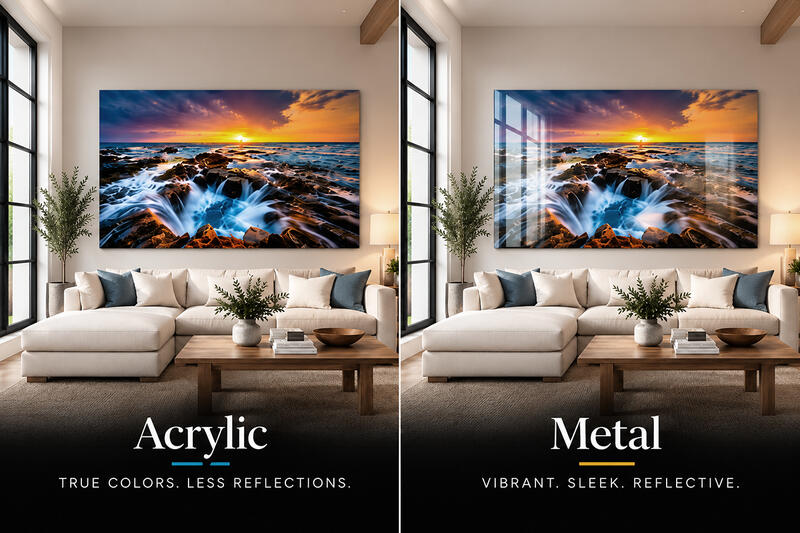
Each photograph is available in premium fine art print mediums, including:
- Limited Edition True Life Acrylic Prints — Exceptional clarity, rich colors, and reduced reflections for an extraordinary fine art presentation.
- Open Edition Metal Prints — Vibrant, sleek, and durable artwork with a beautiful contemporary appearance.
- Premium Fine Art Canvas Prints — A timeless, elegant option for homes, offices, and interior spaces.
Print sizes range from smaller wall art to oversized statement pieces measuring up to 60 × 120 inches on select photographs.Whether you're decorating your living room, creating a statement wall, or searching for a meaningful piece of art that reminds you of your travels, my fine art photography is designed to bring the beauty of nature into your everyday life.
Explore Fine Art Landscape Photography by Nick Selway
Discover my collection of museum-quality landscape, ocean, and nature photography available for purchase.
SHOP FINE ART PHOTOGRAPHY GALLERIES
Not sure which photograph or size would look best in your space? I also offer a complimentary fine art consultation and wall art mockup to help you visualize the perfect artwork before ordering.
Bring the extraordinary beauty of nature into your home with fine art photography by Nick Selway.