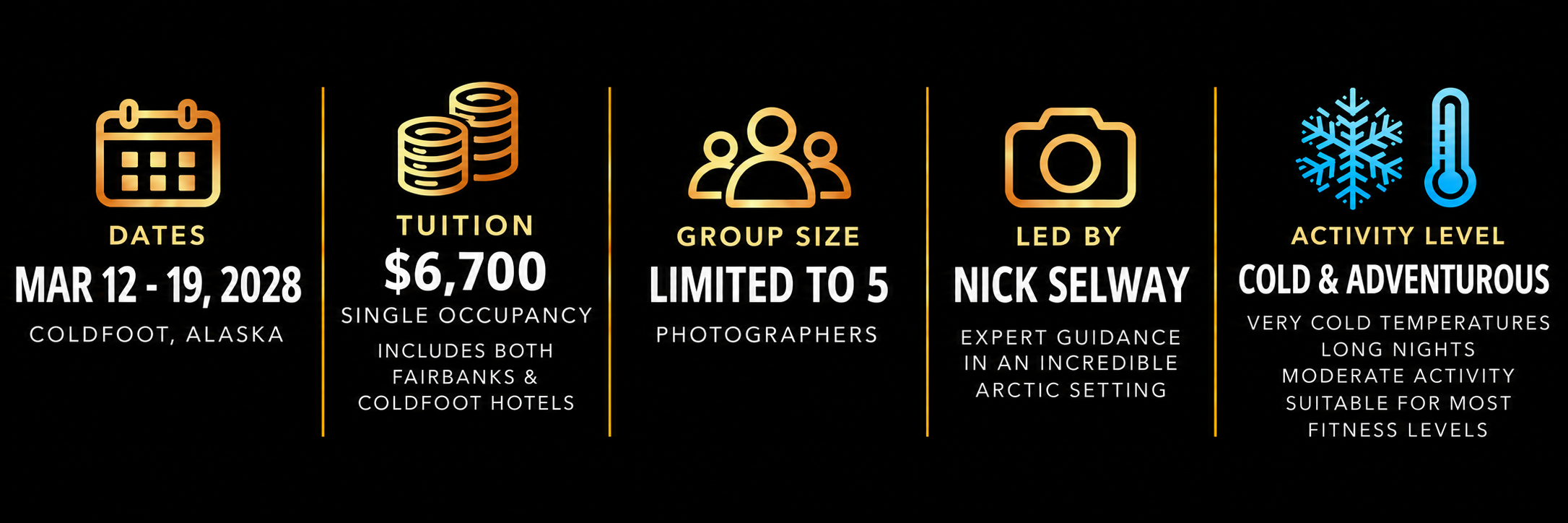
MARCH 12-19, 2028 | COLDFOOT,ALASKA
CLIENT REVIEWS
EXPERIENCE THE NORTHERN LIGHTS DEEP IN ARCTIC ALASKA
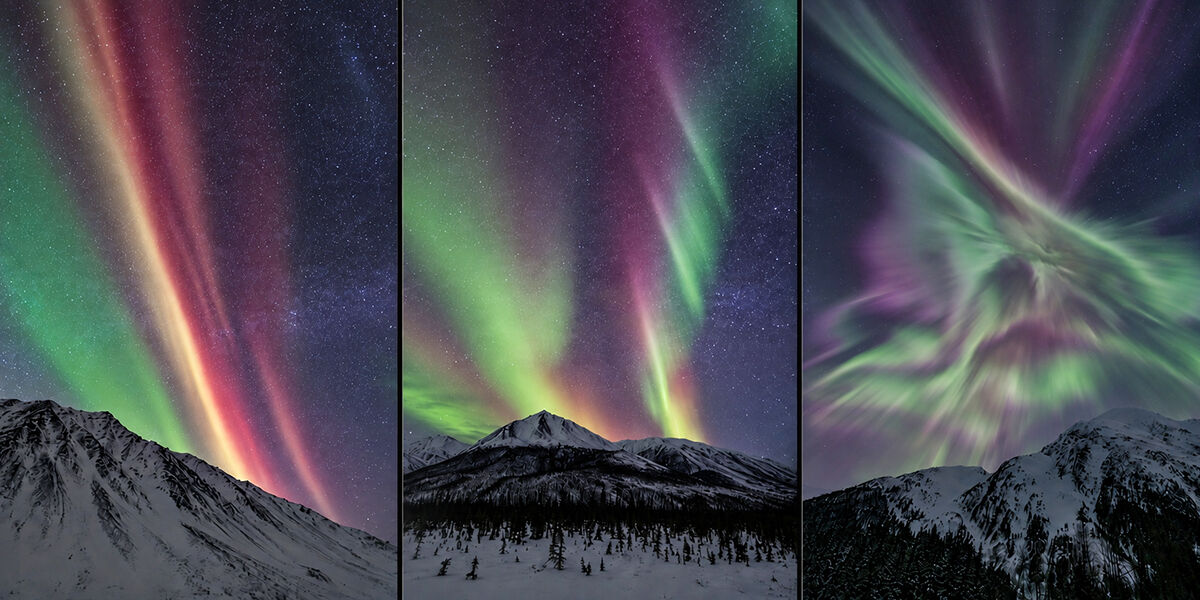
Journey beyond the Arctic Circle for an unforgettable photography adventure beneath the Aurora Borealis. Based at the legendary Coldfoot Camp, 55 miles north of the Arctic Circle, we’ll photograph the Northern Lights surrounded by the incredible wilderness of Alaska’s Brooks Range.
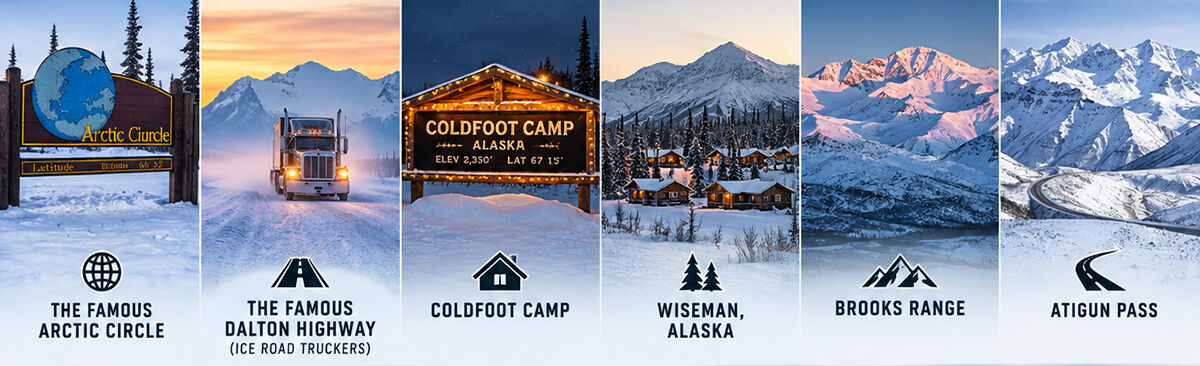
During the day, we’ll explore dramatic Arctic landscapes along the Dalton Highway, Brooks Range, and Atigun Pass. At night, we’ll chase clear skies and the Aurora, staying out when conditions are good to give you the best opportunities to capture the lights dancing overhead.
With Nick Selway Photography Workshops, the locations, driving, and logistics are taken care of so you can focus on your photography and the experience.
While the Northern Lights and clear skies can never be guaranteed, February and March offer some of the best opportunities of the year to experience and photograph the Aurora in Alaska.
ARCTIC ALASKA WORKSHOP ITINERARY
MARCH 12 — ARRIVAL IN FAIRBANKS
Our Arctic adventure begins in Fairbanks, Alaska. Everyone will arrive and check into The Westmark Hotel for the evening, giving us a chance to meet, get settled, prepare our camera gear, and rest before heading north into the Arctic the following morning.
MARCH 13 — FAIRBANKS TO COLDFOOT
We’ll depart Fairbanks around 7:30 AM for the incredible drive north along the legendary Dalton Highway to Coldfoot. The drive is part of the adventure. Along the way, we’ll stop at the Yukon River to stretch our legs, grab a snack, and take in the scenery before continuing to the famous Arctic Circle for photos.After approximately 5½ hours on the road, we’ll arrive at Coldfoot Camp, our home base deep in Alaska’s Arctic wilderness.
MARCH 13–17 — CHASING THE NORTHERN LIGHTS
This is what we came for!
Each afternoon, typically around 4 PM, we’ll head north from Coldfoot and deeper into the spectacular Brooks Range, searching for the best locations, compositions, weather, and clear skies for photographing the Aurora.
Once we’re out in the Brooks Range, we won’t stay in just one location. We’ll travel up and down the Dalton Highway throughout the night, stopping at multiple locations to photograph the Northern Lights with different mountain landscapes and compositions. When conditions are good, expect some late nights—we may stay out until 2–4 AM, making the most of every opportunity the Arctic gives us.
Our schedule will remain flexible throughout the workshop because weather and the Aurora ultimately determine where we go and how late we stay out.
MARCH 18 — RETURN TO FAIRBANKS
After an incredible 4 days in the Arctic, we’ll make the drive south from Coldfoot back to Fairbanks and check into the Westmark Hotel.That evening, we’ll celebrate the adventure with a farewell dinner at the historic Pump House Restaurant & Saloon, known for its steaks, fresh Alaska seafood, and classic Alaskan atmosphere.
March 18–19 — Optional Additional Night in Fairbanks
If you have a late flight home on March 18, you may be able to fly out that evening. If your flight departs on March 19, you can stay an additional night at the Westmark Hotel in Fairbanks.
If you would like me to arrange the extra hotel night for March 18, just let me know.
YOUR WORKSHOP INSTRUCTOR
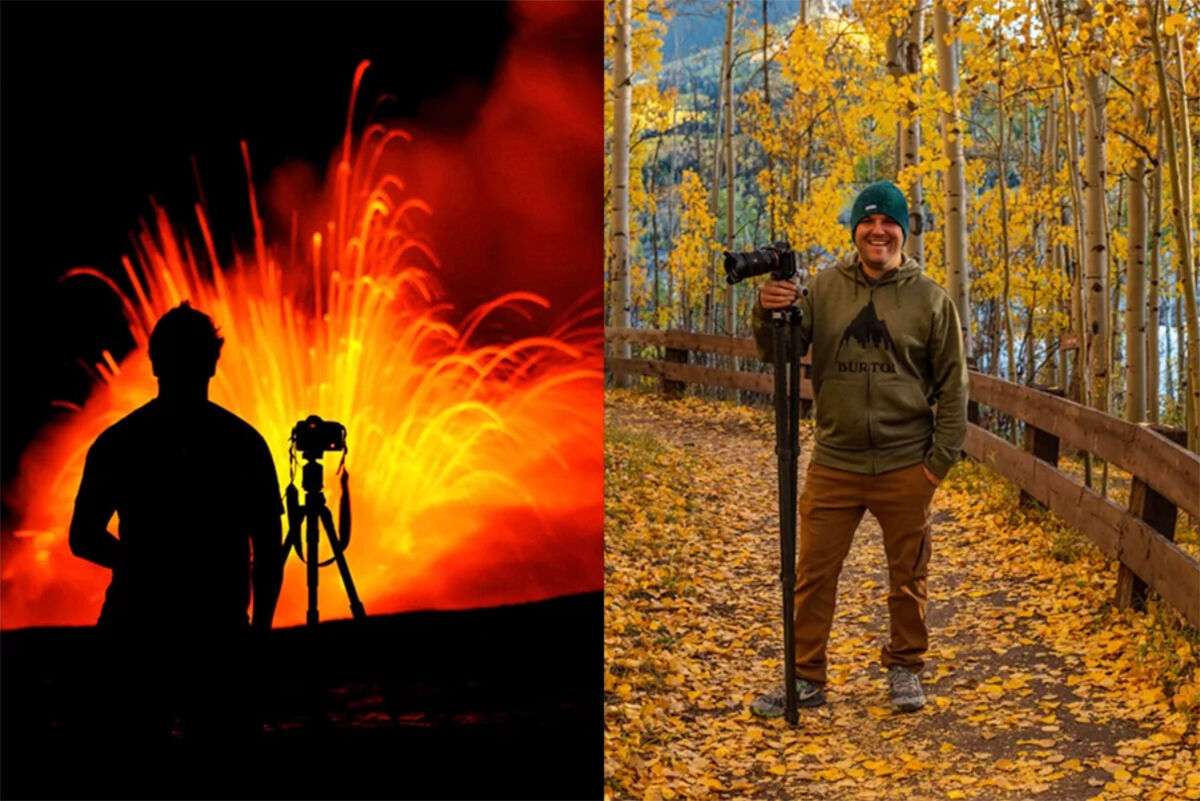
I’ve been traveling to and photographing Alaska since 2013, and it remains one of my favorite places in the world to photograph. There’s nothing quite like standing beneath the Northern Lights in the middle of the Arctic wilderness and watching the sky come alive.
During this workshop, I’ll share what I’ve learned from years of photographing Alaska and the Aurora, helping you with camera settings, focusing at night, composition, exposure, and capturing the Northern Lights when the action begins.
I keep my workshops small and limited to just 5 photographers, creating a relaxed, fun environment with plenty of personal instruction. My goal is simple: put you in incredible locations, help you come home with amazing images, and make sure we have a great time doing it.
— Nick Selway

LODGING, TRAVEL & TRANSPORTATION
Your accommodations and transportation during the workshop are taken care of, allowing you to focus on the adventure and photographing the Arctic.
FAIRBANKS — WESTMARK HOTEL
Our first night will be at the Westmark Fairbanks Hotel, conveniently located approximately 4.5 miles from Fairbanks International Airport. You do not need to make your own hotel reservation. We will reserve your room and provide your confirmation information prior to the workshop.
Plan to arrive in Fairbanks in time to check in by 3:00 PM on the first day of the workshop. Transportation from the airport to the hotel is not included, but taxis and rideshare services are available.
COLDFOOT — SLATE CREEK INN
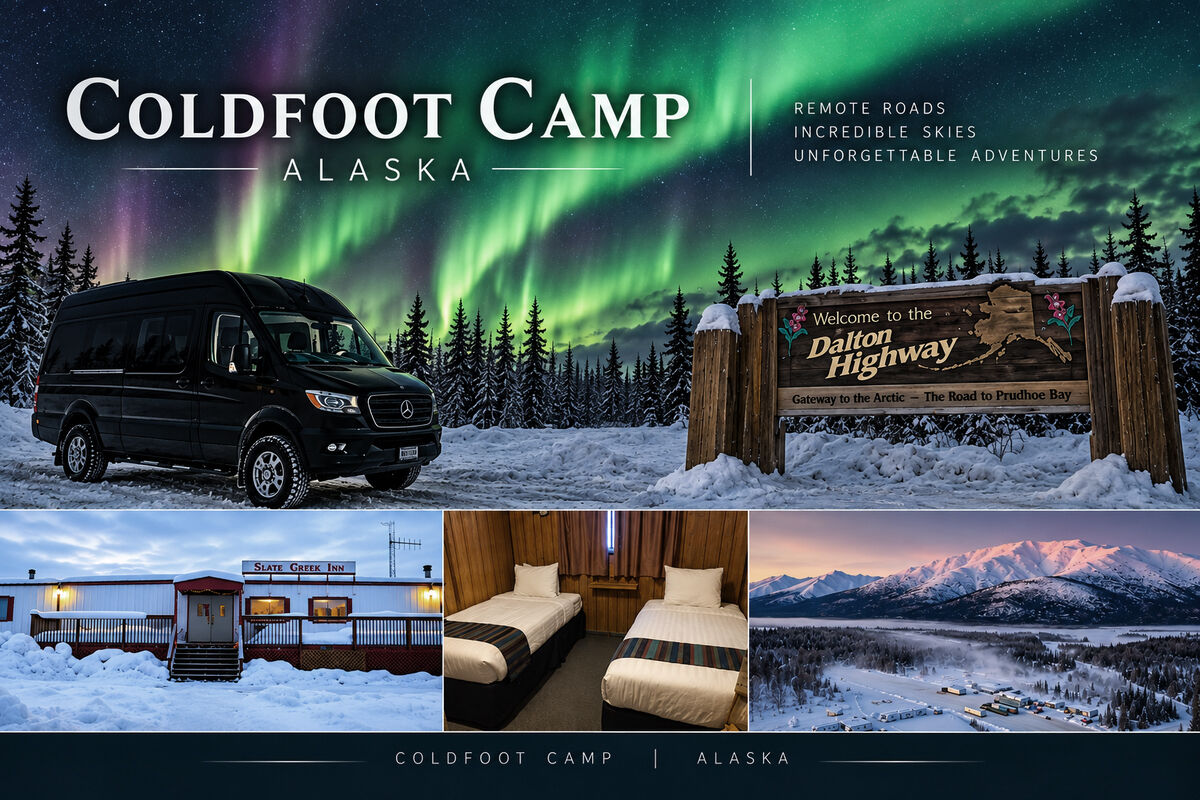
For the remainder of the workshop, we'll stay at Slate Creek Inn at Coldfoot Camp, deep in Alaska's Arctic wilderness.
Coldfoot isn't a luxury resort—and that's part of the experience. Originally established to accommodate workers during construction of the Trans-Alaska Pipeline, the property has been renovated while maintaining its authentic, rustic Arctic character. Rooms feature two twin beds and a private bathroom with a shower. Due to the extremely limited lodging available this far north, all rooms are double occupancy.
DINING IN THE ARCTIC
Coldfoot Camp has a great on-site restaurant, where we’ll enjoy our meals throughout the workshop, along with the Frozen Foot Saloon, serving beer and wine.
Let’s just say choosing where to eat is pretty easy up here—when you’re this deep in the Arctic, there’s no debating where we’re going for breakfast, lunch, or dinner! 😂
Wi-Fi is limited and cell service can be unreliable, which honestly makes Coldfoot the perfect place to disconnect from everyday life and focus on what we came for: the mountains, the Arctic wilderness, great photography, and hopefully some incredible Northern Lights!
TRANSPORTATION
Transportation between Fairbanks, Coldfoot, and all of our photography locations is included throughout the workshop. We’ll travel in a comfortable 4×4 Sprinter van, giving us plenty of room for everyone, our camera gear, and the long drives through Alaska’s incredible Arctic wilderness.
DRIVING DISTANCES & ARCTIC TEMPERATURES
Depending on the weather, we may drive up to 100 miles in a single direction searching for clear skies and the best possible conditions to photograph the Northern Lights.When the aurora is active, we follow it for as long as the sky allows—which could mean photographing well into the night or even until sunrise.Be prepared for long nights, little sleep, plenty of adventure, and true Arctic conditions, with temperatures potentially ranging from 30°F down to -40°F.
Throughout the workshop, our vehicle will be equipped with Starlink, providing reliable internet connectivity while we're traveling through remote areas of Alaska. This allows everyone to stay connected during our long drives and, more importantly, gives us an additional layer of communication and safety when we're far from traditional cell service.
WORKSHOP DIFFICULTY & RECOMMENDED GEAR
This is Alaska. In winter. Above the Arctic Circle. It’s going to be VERY COLD!
Temperatures can be extreme, especially while standing outside at night waiting for the Northern Lights. The good news is that with the right winter gear, you can stay surprisingly comfortable and focus on photographing the incredible Arctic landscape.
We strongly recommend coming prepared with:
- Insulated winter boots — Sorel or equivalent rated for extreme cold
- Warm base layers — top and bottom; merino wool is excellent
- Heavy insulated winter jacket/parka
- Warm mid-layers — fleece, wool, or insulated hoodie
- Insulated snow pants
- Warm beanie or winter hat
- Insulated gloves or mittens
- Face covering / neck gaiter
- Quality wool socks — bring multiple pairs
- Headlamp — extremely useful when setting up camera gear at night
- Hand & toe warmers — bring plenty!
- Water & snacks — always keep some with you during our nighttime shoots
Bottom line: dress warmer than you think you need to. We could spend hours outside photographing the Aurora in seriously cold Arctic conditions—and being warm makes the entire experience a whole lot more enjoyable!
CAMERA GEAR
- DSLR or Mirrorless Camera — capable of shooting RAW and full manual exposure
- Wide-Angle Lens — 16–35mm is an excellent choice for capturing the Aurora and Arctic landscape
- Fast Prime Lens — 20mm, 24mm, or similar with an f/1.4–f/2.8 aperture is highly recommended
- 24–70mm Lens — great for tighter landscape compositions
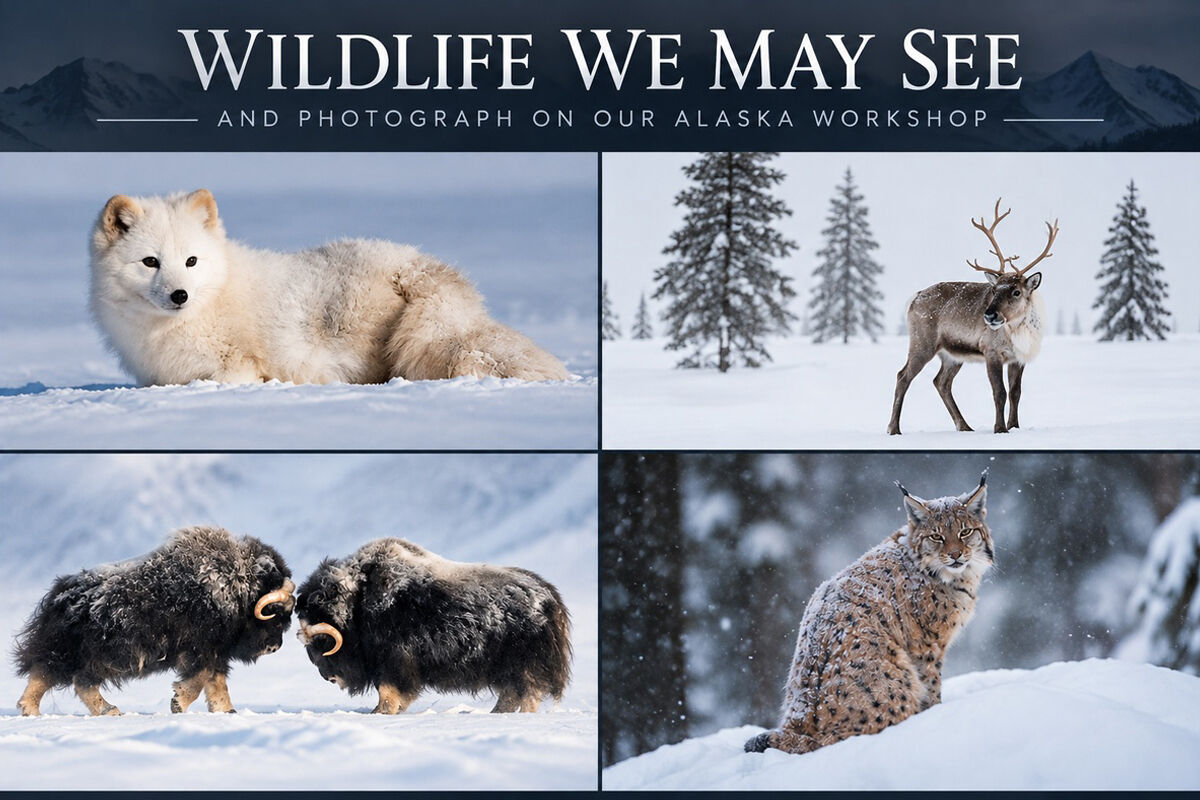
- 70–200mm Lens — useful for compressed landscapes, details, and wildlife opportunities
- Sturdy Tripod & Ball Head — absolutely essential for long exposures
- Remote Shutter Release / Cable Release — highly recommended for minimizing camera movement
- Extra Batteries — bring at least 4 fully charged batteries each night; extreme cold drains batteries quickly
- Plenty of Memory Cards
- Lens Cloths & Rocket Blower — helpful for keeping your equipment clean and dealing with snow, moisture, and condensation
IMPORTANT: Keep spare batteries somewhere warm, such as an inside jacket pocket. Arctic temperatures can drain batteries surprisingly fast!
PHOTOGRAPHY INSTRUCTION DURING THE WORKSHOP
Throughout the workshop, I’ll work with you in the field to help you get the most from every location and become more confident photographing the Northern Lights and Arctic landscapes.
- Northern Lights & Night Photography — exposure times, ISO, aperture, focusing at night, and adapting to changing Aurora conditions
- Long-Exposure Photography — creating sharp, properly exposed images in low light
- Manual Camera Settings — understanding shutter speed, aperture, ISO, and depth of field
- Lens Selection — choosing the best focal length for the scene and conditions
- Composition & Creative Vision — creating stronger, cleaner, more impactful images
- Foreground Selection — using mountains, snow, trees, roads, and other elements to complement the Aurora
- Grand Landscape Photography — capturing the scale and beauty of Alaska’s Arctic wilderness
- Panoramic Photography — capturing and composing wider Arctic landscapes
- Focus Stacking & Exposure Bracketing
- Reading Your Histogram — getting the best possible exposure in the field
Most importantly, the instruction is hands-on and personalized. With the workshop limited to just 5 photographers, I’ll have plenty of time to work one-on-one with everyone throughout the trip.
1-on-1 Post-Processing Session
Your workshop experience continues after Alaska. You’ll receive a private 2-hour editing session where we’ll work through 3–4 of your favorite images together in Lightroom and Photoshop. We’ll cover my complete post-processing workflow and help you bring the most out of the images you captured during the workshop.